Science
20 stories · Synthesized from multiple sources · Bias-scored by AI
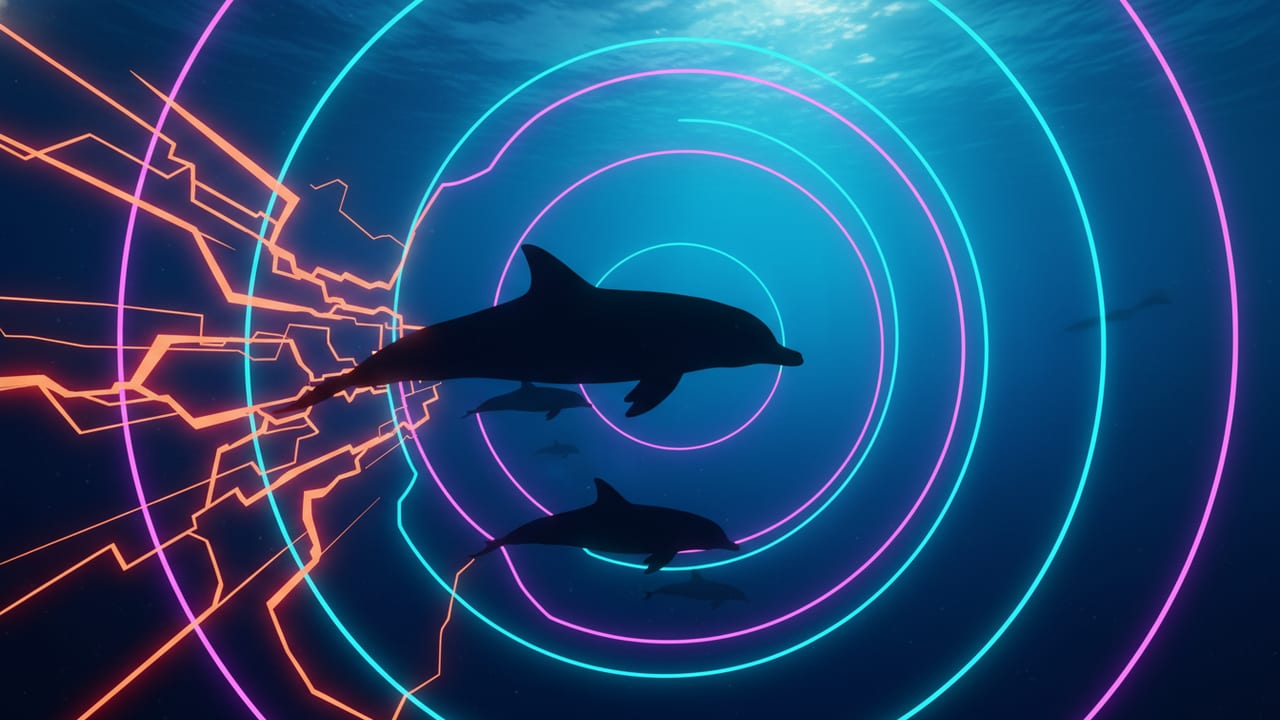
Female Dolphins Avoid Aggressive Males Using Long-Term Memory, Study Finds
New research suggests female bottlenose dolphins identify individual males by their unique calls and retain memory of past aggressive behavior, using this information to avoid the most aggressive males during mating season. The study, associated with researchers including Prof. Stephanie King of the University of Bristol, observed that unavailable females — those that were older or caring for calves — did not display the same avoidance behavior. The findings point to complex long-term social cognition in bottlenose dolphin societies.
Progressive outlets may highlight this research as evidence of sophisticated female agency and decision-making in the animal kingdom, framing it within broader discussions of animal cognition and welfare.
The peer-reviewed research documents observed avoidance behavior by reproductive-age female dolphins toward aggressive males, with researchers noting the behavior was absent in older or otherwise unavailable females.
Conservative outlets may frame this as a compelling example of natural behavioral instincts and biological selection processes at work, emphasizing the scientific value of studying animal behavior in natural settings.
Research published via the University of Bristol found female bottlenose dolphins use individual call recognition and behavioral memory to avoid aggressive males during mating season.

A collection of science and research stories covers a satellite-based study challenging UN poverty classifications, record-breaking humpback…

A cluster of science and research stories covers a range of findings: a satellite-based study challenges the accuracy of UN poverty classifi…
A new study found that people enjoy conversations about mundane or 'dull' topics more than they anticipate, with participants reporting posi…
A long-term study has documented what researchers describe as a 'civil war' among the world's largest known chimpanzee community, offering p…
A 2026 University of Illinois at Urbana-Champaign study found individuals with subclinical psychopathic traits are disproportionately drawn …
A 2026 University of Illinois at Urbana-Champaign study found individuals with subclinical psychopathic traits are disproportionately drawn …
NASA's Artemis II mission concluded with the safe splashdown of all four crew members in the Pacific Ocean, landing within one mile of the i…
A collection of recent scientific findings covers four distinct fields: astronomers have produced the most precise direct measurement of the…
Two separate stories highlight themes of human achievement and access to opportunity. NASA's Artemis II mission, carrying a diverse crew on …
Two separate scientific studies have produced findings relevant to animal behavior and conservation. Researchers found that scent variation …
Researchers published findings in PNAS Nexus on October 14, 2025, showing baker's yeast can survive simulated Martian conditions including s…
NASA's Artemis II completed a 10-day crewed lunar mission in April 2026, capturing high-resolution imagery and marking the first crewed moon…
A collection of science and research stories covers entomologists defending nonnative honey bees against unsubstantiated claims, an internat…
Three distinct scientific developments were reported across separate outlets: NASA continues planning beyond its Artemis II lunar mission; C…
NASA's Artemis 2 mission concluded on April 10, 2026, with the Orion spacecraft, named Integrity, splashing down in the Pacific Ocean off Sa…
NASA's Artemis II crew — Commander Reid Wiseman, pilot Victor Glover, mission specialist Christina Koch, and Canadian Space Agency astronaut…
NASA's Artemis II capsule splashed down in the Pacific Ocean off the coast of San Diego, California at 8:07 P.M. EDT on April 10, concluding…
NASA's Artemis II mission successfully concluded with a Pacific Ocean splashdown, marking the first crewed voyage to the vicinity of the moo…
NASA's Artemis II mission, the first crewed lunar flyby in over 50 years, concluded with the four-person crew splashing down in the Pacific …